

Agentic AI in 2026: The Rise of Autonomous Digital Workers and What It Means for Your Business
As we step into 2026, the world of AI is evolving faster than ever. If 2025 was about experimenting with generative tools, this year marks the shift to agentic AI—systems that don't just respond but act independently to achieve goals. At NiyatiOne Technologies, we're at the forefront of this transformation, helping businesses integrate AI into their core operations. In this blog, we'll break down what agentic AI is, the top trends shaping it, its benefits and challenges, and how you can prepare. Let's dive in!

What is Agentic AI?
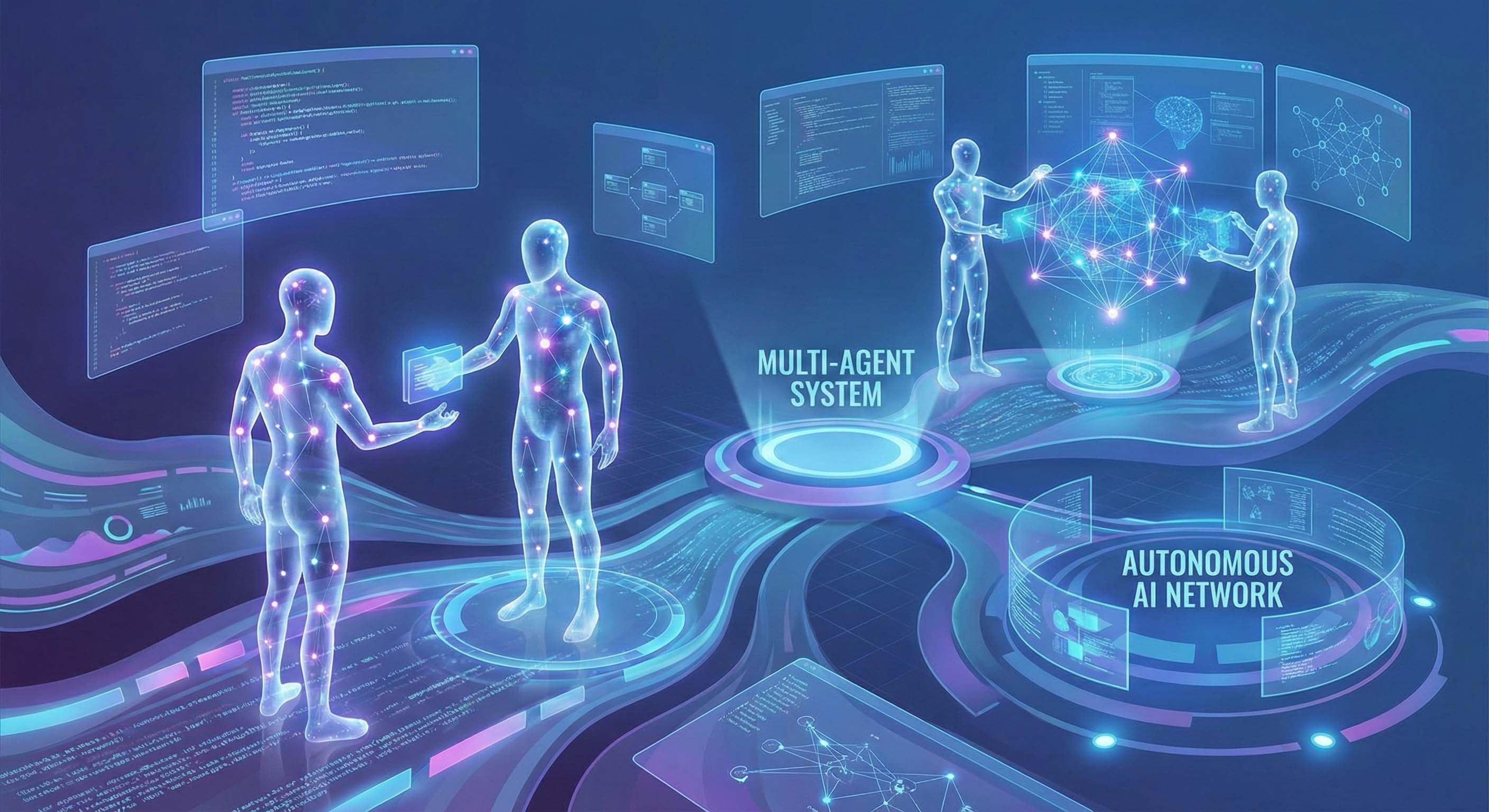
Agentic AI refers to autonomous AI systems that can plan, execute tasks, and adapt without constant human input. Think of it as a "silicon workforce"—AI agents that handle complex workflows like supply chain optimization or customer service routing. Unlike traditional chatbots, these agents collaborate in multi-agent setups, making decisions based on real-time data.
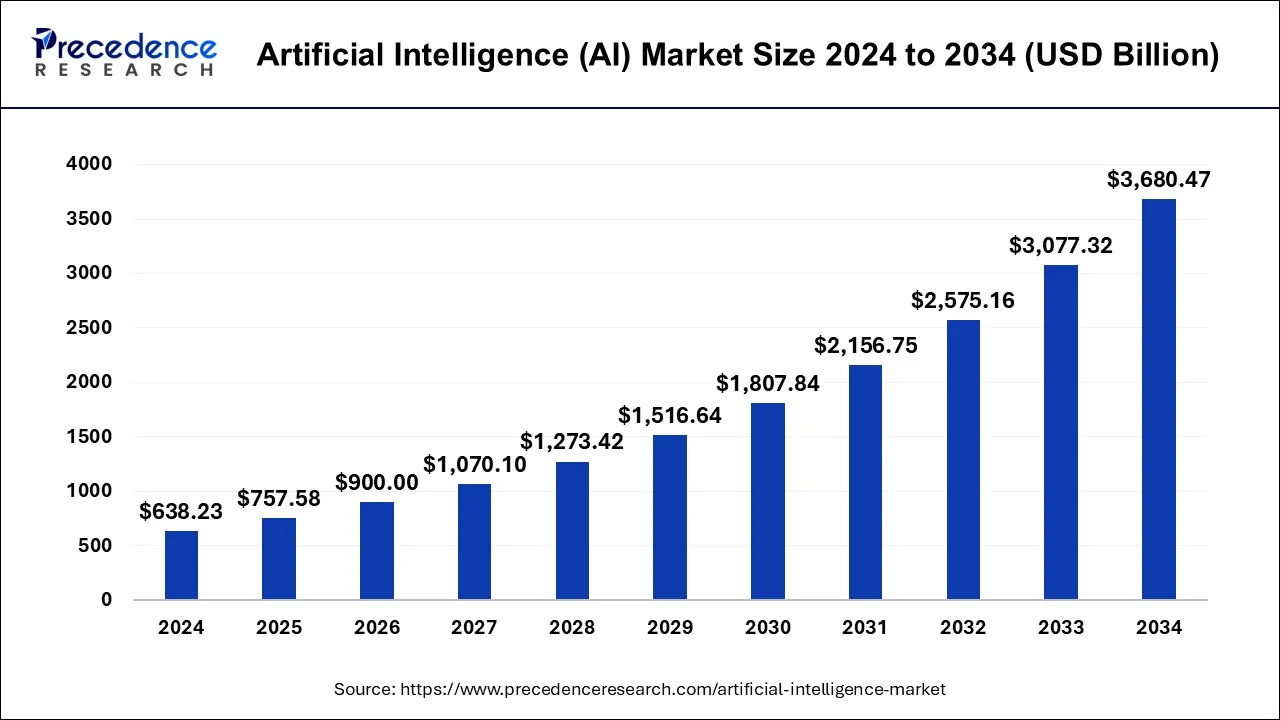
According to industry forecasts, by the end of 2026, 40% of enterprise applications will include task-specific AI agents, up from less than 5% in 2025. This isn't hype; it's backed by market growth projections showing the AI agent sector expanding from $7.84 billion in 2025 to $52.62 billion by 2030, at a staggering 46.3% CAGR.
At NiyatiOne, we’ve seen firsthand how companies that act fast—adopting AI-driven solutions, leveraging cloud ecosystems, and enhancing digital customer experiences—are the ones leading the next industrial revolution.
Top Trends Shaping Agentic AI in 2026
Here are the key developments to watch, drawn from leading analysts and real-world implementations:
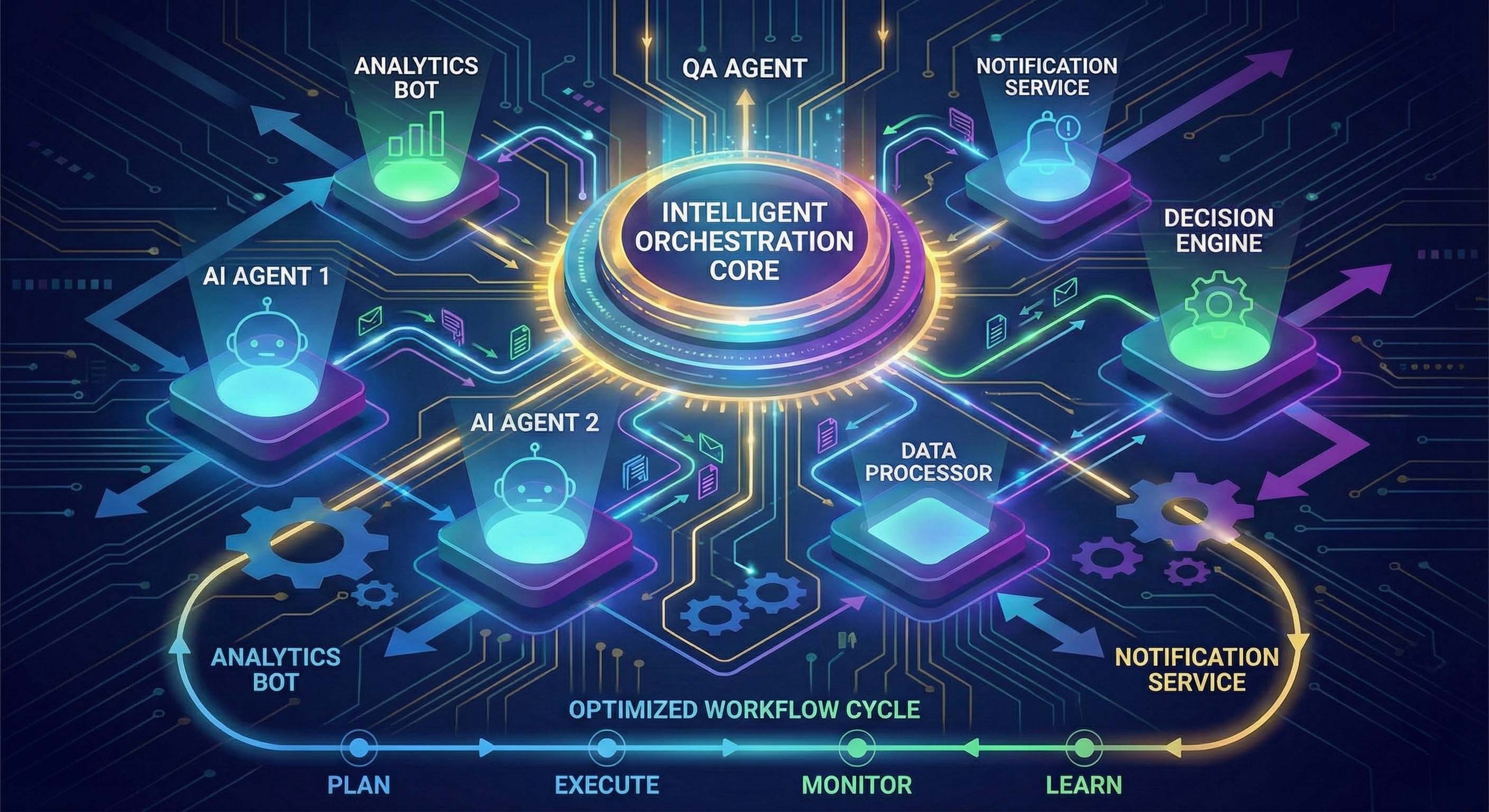
- Multi-Agent Orchestration Takes Center Stage: Single agents are evolving into teams of specialized AI workers. In 2026, expect multi-agent systems to manage end-to-end processes, like rerouting inventory or optimizing R&D pipelines.
- Focus on ROI and Governance: Businesses are demanding proof of value. IBM predicts efficiency as the new frontier, with open-source agents pushing enterprise adoption.
 However, Gartner warns that over 40% of projects could fail by 2027 due to costs or risks, making AI governance essential.
- Integration with Existing Systems: Agentic AI is becoming the "new middleware," connecting tools like CRM and ERP for seamless automation.
- Industry-Specific Applications: From finance (automated trading) to healthcare (patient care journeys), agents are tailoring to sectors.
- Preemptive Security and Trust: As agents handle sensitive data, cybersecurity is key. Trends include confidential computing and digital provenance to build trust.
Benefits for Your Business
Adopting agentic AI can supercharge productivity:
- Boost Efficiency: Gartner predicts 15% of daily work decisions will be autonomous by 2028, freeing humans for strategic roles.
- Cost Savings: Automate repetitive tasks, reducing operational expenses by up to 30% in areas like logistics.
- Faster Decision-Making: Real-time analysis leads to quicker insights, giving a competitive edge.
- Scalability: Multi-agent systems handle growing complexity without proportional human input.
Challenges and How to Overcome Them
No trend is without hurdles:
- Project Failures: High cancellation rates due to integration issues—solution: Start with pilots and invest in legacy system upgrades.
- Ethical Risks: Ensure governance frameworks to mitigate biases.
- Skill Gaps: Train teams on AI collaboration.
At NiyatiOne, we recommend a phased approach: Assess your needs, integrate via cloud/DevOps, and monitor ROI.
How NiyatiOne Technologies Can Help
As experts in AI, Cloud, and DevOps, we're here to guide your agentic AI journey. Whether building custom multi-agent systems or optimizing infrastructure, contact us at [email protected] to get started. Check our services page for more.
In summary, 2026 is the year agentic AI goes mainstream, transforming businesses into agile, intelligent entities. Stay ahead—embrace it now!